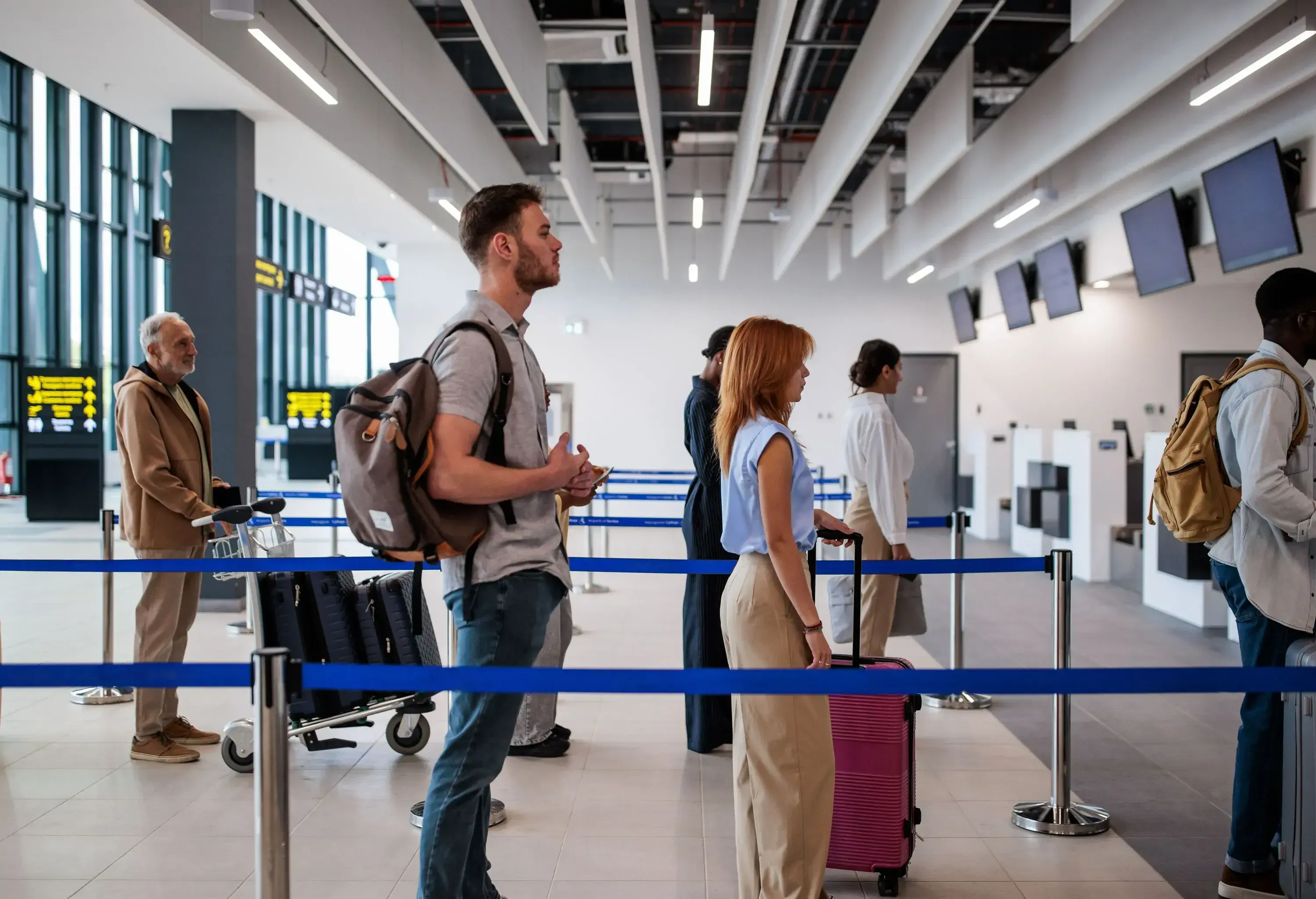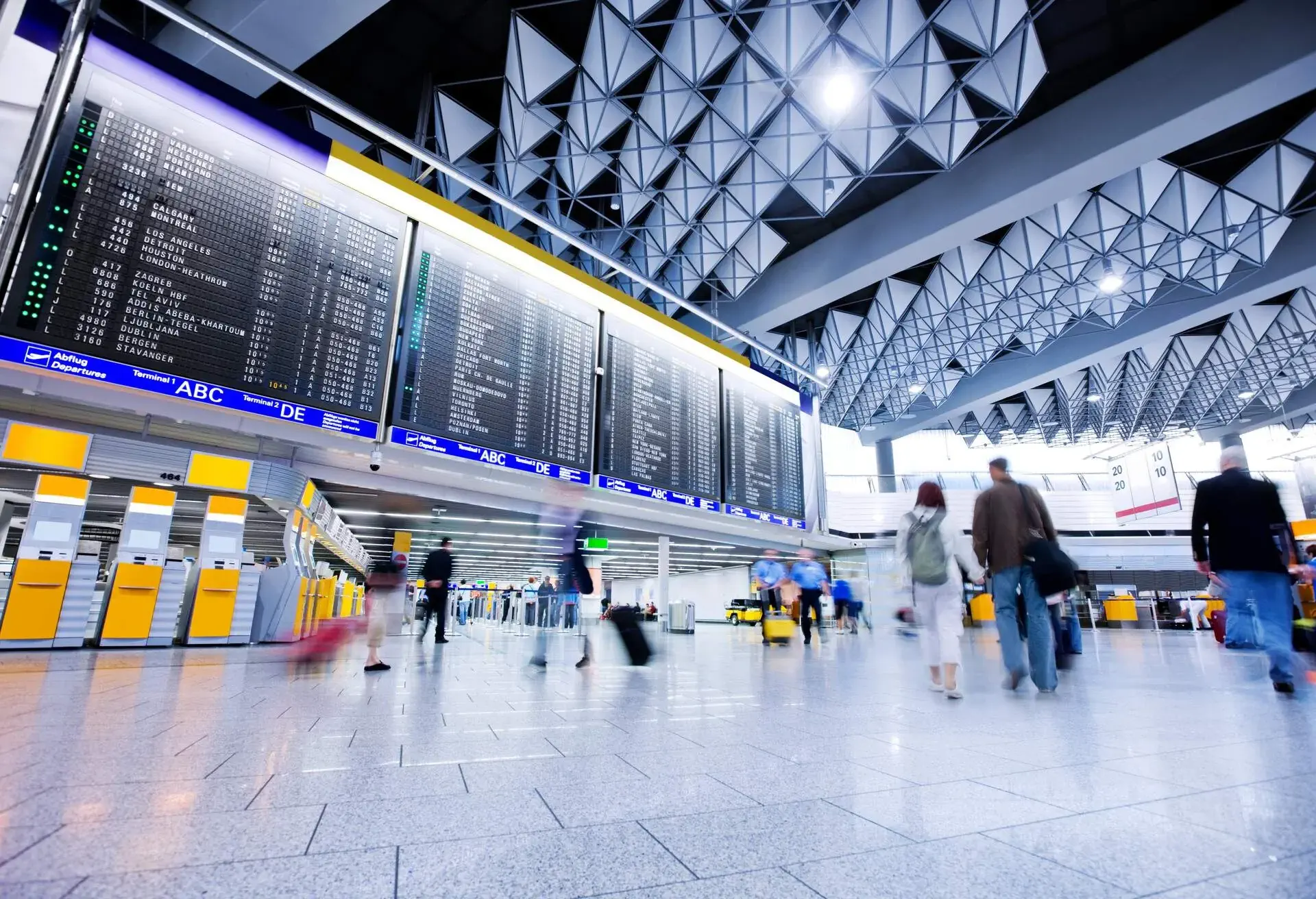

Standby flights have come a long way since the days when they were mostly an insider perk for airline employees and frequent flyers. Now they’re creeping into the mainstream, as they appeal to flexible travelers who want to hop on an earlier flight or pivot plans last-minute. But there are some drawbacks: uncertainty, eligibility rules and lots of gate-side waiting.
What is a standby flight?

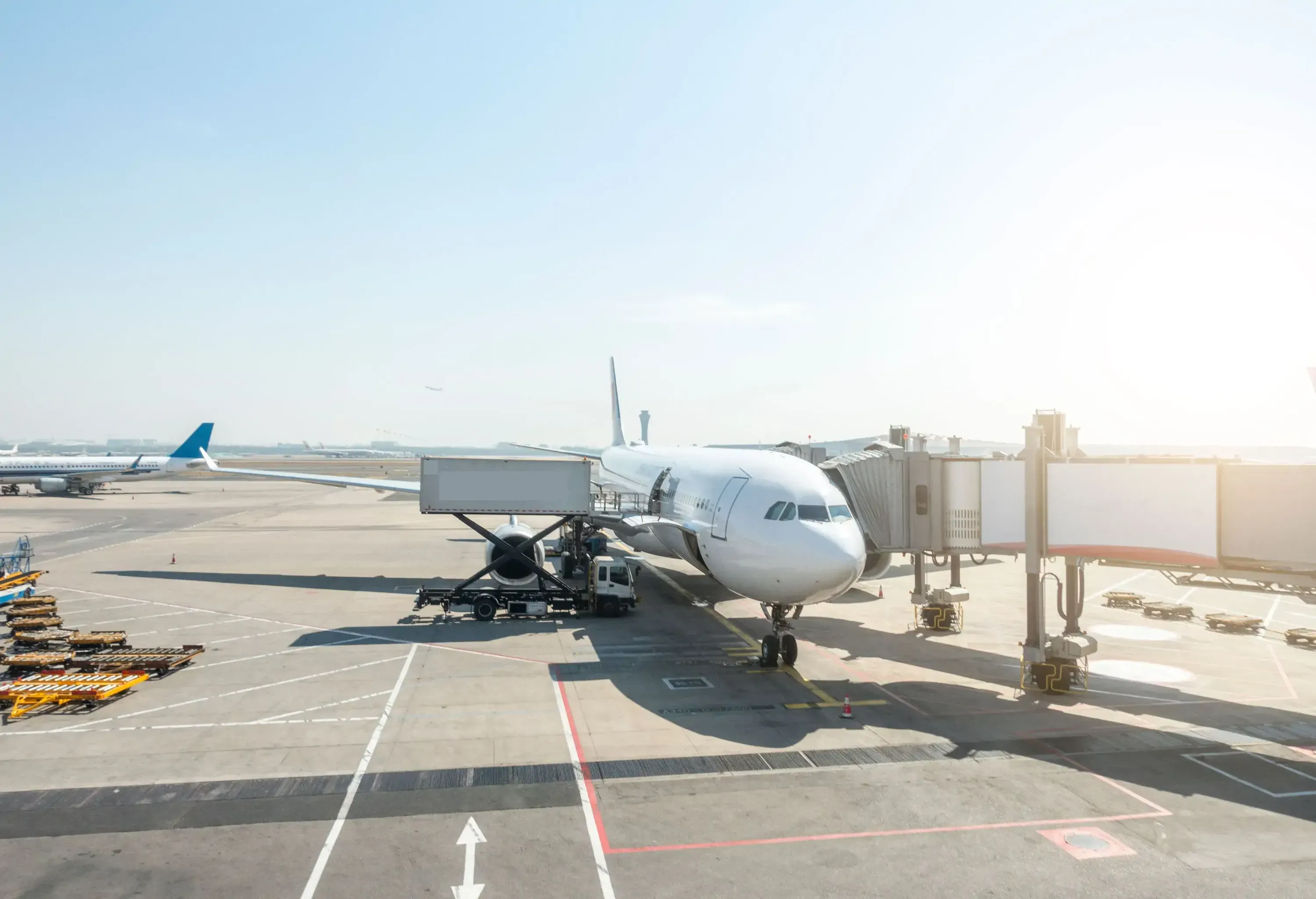
A standby flight is essentially a request for a seat on a flight other than the one you booked. It works if there’s an empty spot on your desired flight when it’s time to board.
There are two main types of standby flights:
- Voluntary standby is when you opt to switch to an earlier or later flight for convenience.
- Involuntary standby happens when circumstances push you off your original plans, like a missed connection or an oversold flight.
In both cases, you’re not guaranteed a seat, but you might be able to snag one if space opens up.
| Feature | Standby flight | Confirmed ticket |
|---|---|---|
| Seat guarantee | No | Yes |
| Cost | Sometimes cheaper on same-day change fee | Fixed |
| Eligibility | Restricted (not all fares) | All fare types |
| Stress level | High | Low |
Read more tips on how to score cheaper flights without added stress.
How standby flights work.
Standby flights usually follow a similar flow, even if the outcome isn’t guaranteed. Let’s break down the process step-by-step:
- Check whether your fare and route are eligible. Some tickets allow free same-day changes, others charge a fee. Many basic or promotional fares aren’t eligible at all.
- Join the standby list. You can do this through the airline’s app, at check-in or by talking to a gate agent.
- Understand your priority level. This is set based on factors like fare class, elite status and how early you checked in.
- Wait at the gate. Sit near the gate until agents start clearing standby passengers, typically right before boarding closes.
- If you’re not cleared, you’ll simply stick with your original flight or, in cases like missed connections, work with the airline to rebook.
For example, if you’re booked on a 5 p.m. flight from Madrid to London, you can ask to standby for the 3 p.m. departure instead. If seats open up, agents will call your name just before takeoff.
Keep in mind, most low-cost carriers like Ryanair and easyJet don’t offer standby at all. Meanwhile, full-service airlines such as Delta, United and Lufthansa provide same-day standby options on select fares.
Pros and cons of standby flights.

Standby flights are great when they work, and frustrating when they don’t. Here are the main benefits and risks to know so you can decide if this option is worth it for you.
Benefits of standby flights:
- Ideal for frequent or spontaneous travelers: If you’re already at the airport and have the schedule flexibility to try your luck, it can pay off to fly standby.
- Flexibility: You can often jump onto an earlier flight and reclaim a few extra hours at your destination.
- Occasionally cheaper than paying fees to rebook, especially on airlines that allow free standby for certain fares or loyalty tiers.
Risks of standby flights:
- Long waiting times or potential overnight stays: The wait times for standby flights aren’t for the faint of heart. You may wind up waiting for hours if you misjudge your options.
- No seat guarantee: You could wait in vain because in the end there are no open seats available on your desired flight.
- Not available for all fares or routes: Standby eligibility also varies widely: basic fares, peak routes, and low-cost carriers often shut the door entirely.
- Checked baggage complicates the process: If you’re carrying checked baggage, the process becomes even trickier since airlines need to match bags to passengers.
Traveler rights and compensation.
Traveler rights around standby depend heavily on where you’re flying. Let’s break it down by region.
Europe (EU Reg 261/2004)
In Europe, EU Regulation 261/2004 kicks in only if you’re involuntarily denied boarding, such as during overbooking. In these cases, you may be entitled to compensation.
But if you choose voluntary standby, the regulation doesn’t apply.
U.S. and Canada
In the U.S. and Canada, airlines must compensate passengers who are involuntarily bumped. Payouts are based on delay length or ticket value.
However, like in Europe, voluntary standby travelers don’t receive automatic protections.
Tips for flying standby.

Flying standby is smoother when you plan for the unpredictability. Here are my top tips.
- Travel with carry-on only: Checked bags can limit your eligibility or slow down last-minute gate changes.
- Check in early: Your time of check-in can influence your position on the standby list.
- Stay near the gate: Standby clearance often happens just minutes before departure, and missing your name being called means losing your spot.
- Avoid peak travel days and hours: Improve your odds by being strategic about the times you choose to fly standby. Friday evenings, Monday mornings or holiday periods tend to be full.
- Use airline apps to monitor standby lists: Track your standby status and list position in real time, so you can gauge whether you’re likely to be cleared.
Alternatives to flying standby.
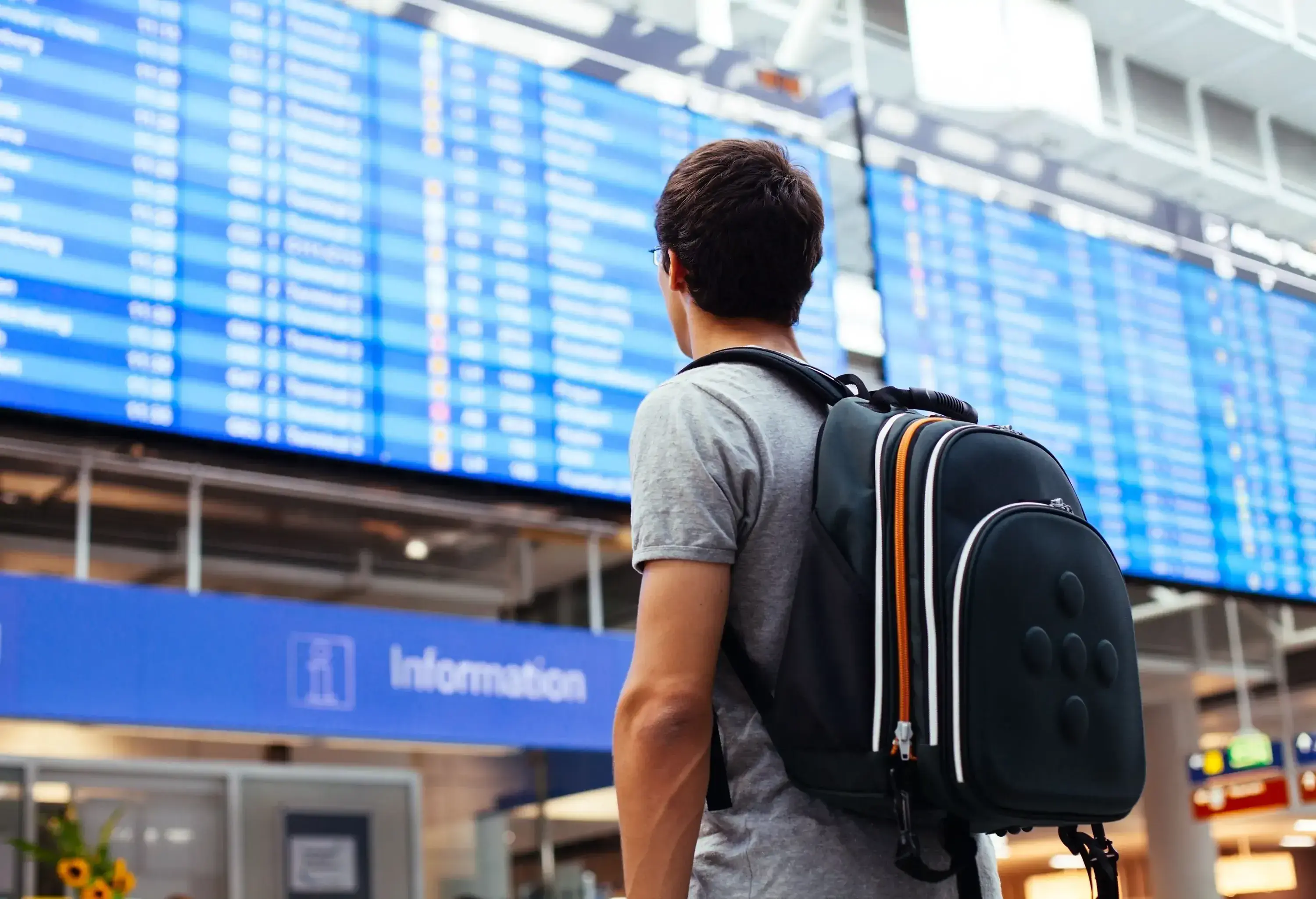
If standby feels too unpredictable, there are plenty of ways to stay flexible without gambling on an empty seat.
- Same-day confirmed changes: Lock in your seat on a different flight for a fee (or free with certain fare classes or elite status).
- Flexible or refundable tickets: Higher upfront cost, but far less hassle when plans shift.
- Last-minute flight deals: Check options on KAYAK for spontaneous trips using this guide to last-minute flight deals.
- Multi-city or open-jaw itineraries: Integrate flexibility into your route from the start. Multi-city and open-jaw flights come with more options to adjust timing or destinations.
For more insider tricks for building your flight itinerary for maximum convenience, check out KAYAK’s guide to flexible flights.
Standby flights FAQs.
A standby flight is a request for a seat on a flight other than the one you booked.
Standby can be cheaper, but only in specific cases. Some airlines let you switch to an earlier flight for free or a small fee, which can cost less than a full same-day change. But if your fare isn’t eligible, standby won’t save you money.
Priority on the standby list usually goes to passengers based on fare class, elite status, ticket type and check-in time. Airline employees and their guests are often listed separately and cleared only after paying passengers.
In theory, you can fly standby internationally, but options are more limited. Many carriers restrict same-day standby on long-haul routes, and some fares (especially basic economy) aren’t eligible at all.
Checked baggage adds complexity. Airlines generally won’t clear you unless your bag can be transferred in time, and some require you to fly only with carry-on to use standby. If your bag can’t be moved before departure, you’ll have to stay on your original flight.