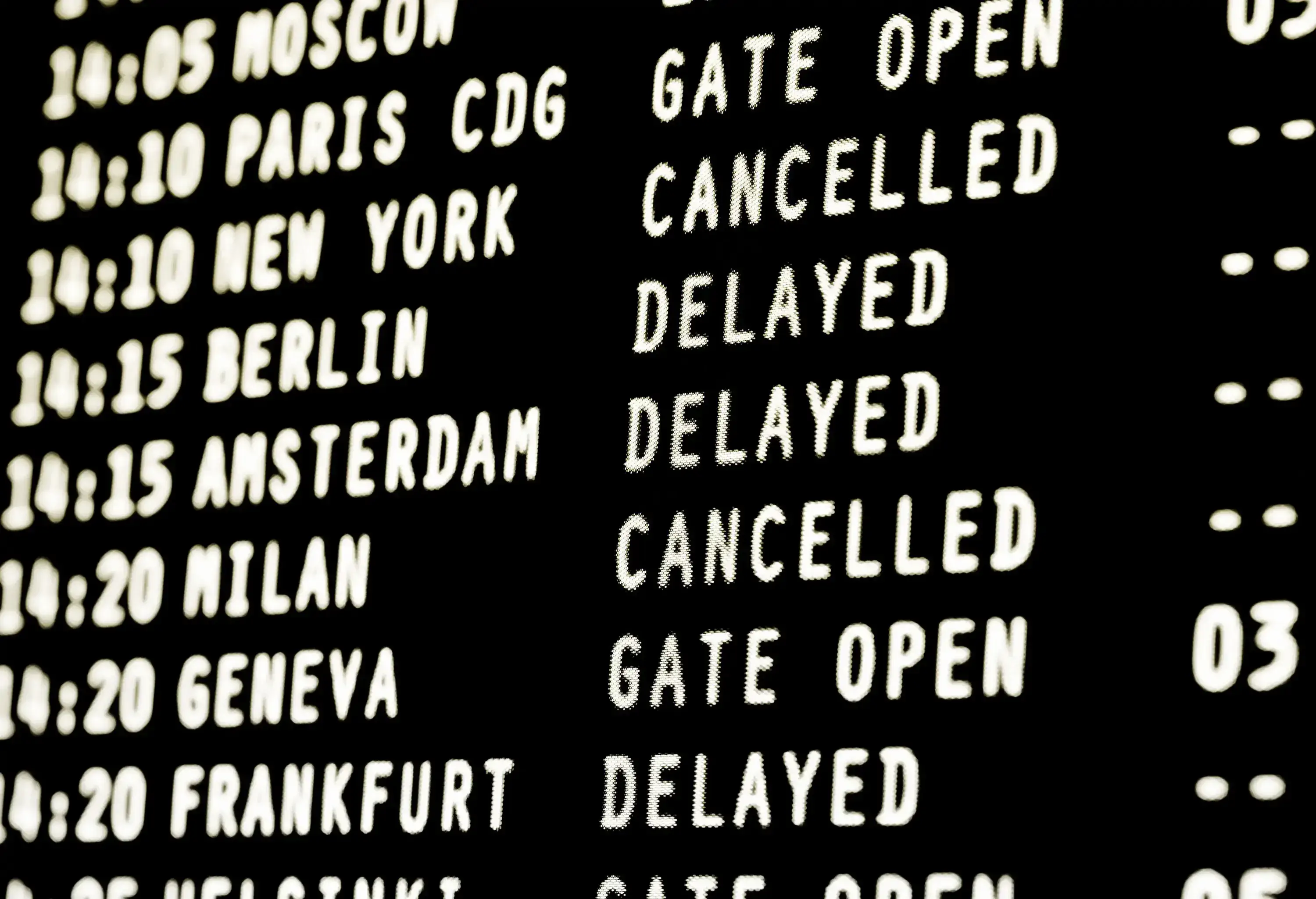

Airlines use data, airport constraints and demand forecasting to build schedules months before you ever see a fare. Understanding how airline scheduling works can help you make smarter booking decisions and spot fare opportunities.
In this article
- How do airlines schedule flights?
- What determines when your flight departs?
- Why do airlines change flight schedules after you’ve booked?
- Can airline schedules help you find cheaper flights?
- Frequently asked questions about flight schedules.
How do airlines schedule flights?
Airlines build schedules by forecasting demand, deciding which routes to operate, assigning aircraft and coordinating airport slots, crews and connections. Once flights go on sale, schedules continue to evolve as airlines respond to booking trends and operational needs.
What determines when your flight departs?
Ever wondered why your flight leaves at 6:05 a.m. instead of 7 a.m.? While the timing may seem arbitrary, it usually comes down to a combination of operational and commercial factors, including airport operations, connections and demand.
Airport slots
At busy airports, airlines often need approval to operate at specific times. Popular departure windows – especially early morning and late afternoon – can be highly competitive.
Gate and runway capacity
Airports can only handle a certain number of arrivals and departures at once. Available gates, runway capacity and terminal resources all influence scheduling decisions.
Connecting flights
For airlines that operate large hub networks, timing matters. Flights are often scheduled to help travelers connect efficiently to onward destinations. For example, an arrival may be timed specifically to allow passengers enough time to catch a connecting flight departing shortly afterwards.
Aircraft turnaround times
Planes don’t stay parked for long. Between flights, airlines need time to deplane passengers, clean the cabin, refuel and board the next group of travelers. Shorter turnaround times help airlines maximize aircraft utilization, but they still need enough buffer to keep operations running smoothly.
Crew scheduling
Pilots and flight attendants are subject to strict regulations governing work hours and rest periods. Those requirements influence when flights can depart.
Air traffic patterns
Flight times are also affected by congestion in the air. Busy air corridors and peak travel periods influence route planning and scheduled arrival times.
The result is a complex balancing act. A change to one part of the schedule can affect dozens of flights across an airline’s network.
Why do airlines change flight schedules after you’ve booked?
It can be frustrating to see a flight time change after you’ve booked, but it’s a normal part of how airlines manage their schedules.
When flights go on sale months in advance, airlines are making decisions based on forecasts. As departure dates get closer, those forecasts are replaced with real demand and operational data.
Several factors can lead to schedule changes:
- Aircraft swaps: A different aircraft may be assigned to a route
- Demand shifts: Booking patterns can change throughout the year
- Airport construction: Runway or terminal projects can affect operations
- Weather considerations: Seasonal conditions may require adjustments
- Regulatory changes: Airspace restrictions or procedural updates can affect schedules
- Crew availability: Staffing needs can influence flight operations
- Geopolitical events: Conflicts, airspace closures or other world events can force airlines to reroute flights or adjust schedules
Most schedule changes are relatively minor, though larger adjustments occasionally happen. While changes can be inconvenient, airlines will often provide options when a schedule change significantly affects your trip.
Airlines will typically notify you if your flight schedule changes, but it’s still worth checking your reservation from time to time. As your departure date approaches, a quick review can help ensure you haven’t missed any important updates.
Can airline schedules help you find cheaper flights?

Schedule changes often create pricing opportunities for travelers, especially when airlines add capacity or launch new routes. Here are a few scheduling patterns that can affect fares:
Less popular departure times
Early morning flights and overnight departures are often cheaper because demand tends to be lower. If you’re willing to trade a little sleep for savings, these flights can be worth considering.
Midweek travel
According to KAYAK data, Wednesdays generally see less demand than Fridays and Sundays. Lower demand means lower fares.

Find the best day to book a flight
Seasonal schedule changes
Airlines typically add flights during busy travel periods and reduce capacity during slower seasons. More seats during quiet periods can lead to lower fares, while you’ll likely find higher prices for busy periods like the summer or Thanksgiving.
New routes and added frequencies
When airlines launch a new route or increase service on an existing one, introductory fares can sometimes be lower as they work to build demand. These pricing shifts are one reason why airfare trends can vary throughout the year.
Connecting itineraries
Airlines don’t price flights based solely on distance. Depending on demand and competition, a connecting itinerary through an airline’s hub may cost less than a nonstop flight on the same route.
Booking timing
Airlines often release schedules and fares months in advance. As departure dates approach and airlines get a clearer picture of demand, prices may rise or fall based on how quickly seats are selling.
Conclusion
Airline schedules are built through a constant balancing act between demand, operational constraints and network strategy. While travelers rarely see the process behind the scenes, understanding how schedules work can help you make better booking decisions, spot fare opportunities and navigate schedule changes with more confidence.
Frequently asked questions about fight schedules.
Not usually. Most airlines maintain a consistent core schedule but adjust flight frequencies throughout the week. You’ll often see more flights on high-demand travel days and fewer during quieter periods.
Schedules also vary seasonally, with airlines typically adding flights during peak travel periods and reducing service during slower months.
Most airlines release flights for sale about 11 months before departure. Booking early gives you more options, but it doesn’t always guarantee the lowest fare. The best booking window depends on factors such as destination, season and demand.
For more guidance, check out our guide on how far in advance to book a flight.
Flight schedules are shaped by demand, airport constraints, aircraft availability and connection opportunities.
A route may only have morning departures because that’s when demand is strongest. In other cases, airlines may be working around airport slot restrictions or coordinating flights with a larger network of connections.
Convenience drives demand. Many travelers are willing to pay more to avoid a connection, which often allows airlines to charge higher fares for nonstop service.
Connecting itineraries can sometimes be cheaper because airlines are competing across larger networks and multiple routing options.
Once you’ve purchased a ticket, a schedule change typically won’t increase the fare you’ve already paid. However, schedule adjustments can influence pricing for future bookings by changing capacity, adding flights or reducing service on a route.