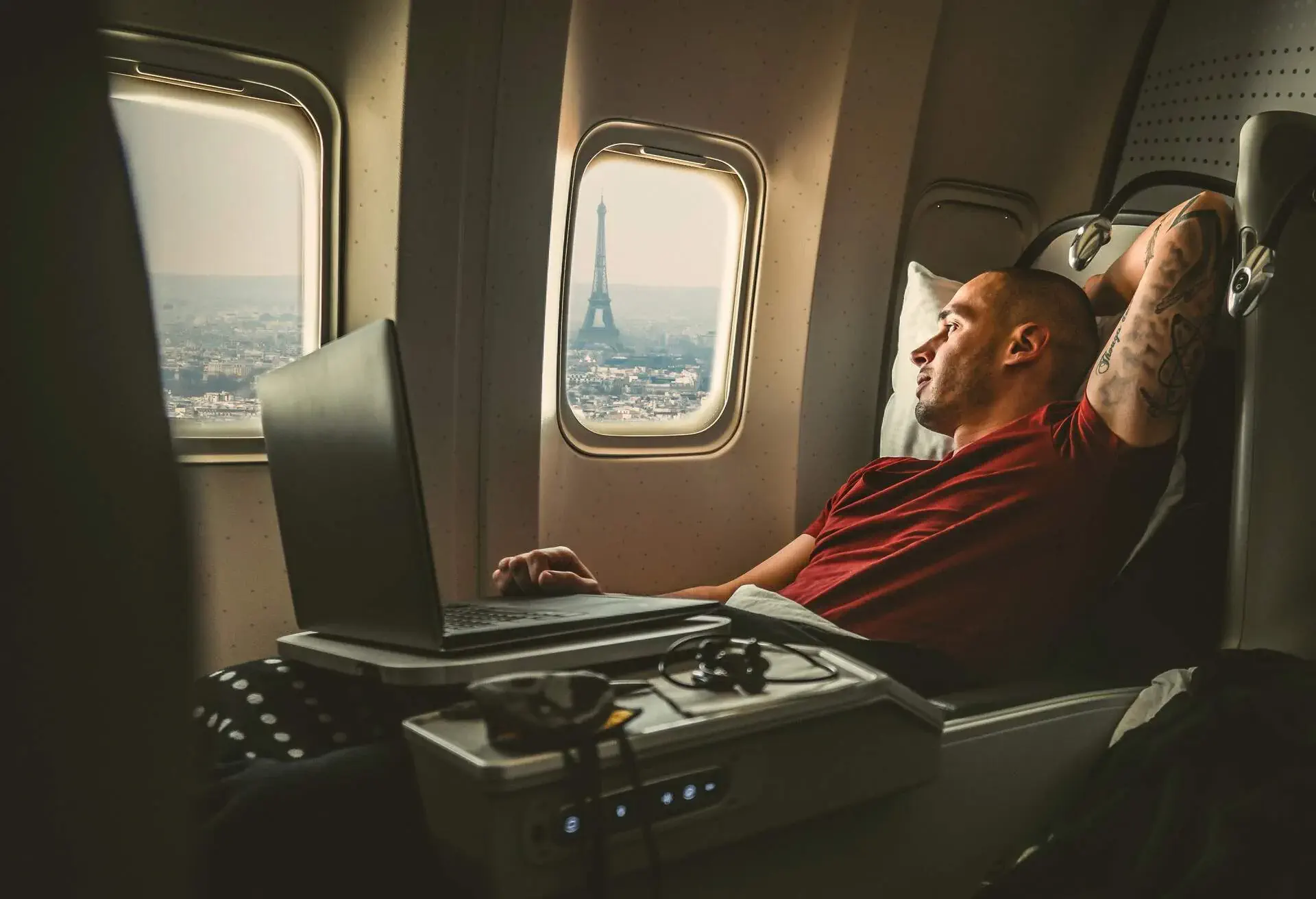

Most travelers have been there: Boarding a flight and walking past those lucky first-class passengers as they sip champagne in their spacious suites while you trudge off to your cramped economy seat.
Private planes aside, there’s no better way to fly than first class – though it’s pricey, with tickets up to 10 times higher than economy. But is first class worth it? Here’s what – and how – to know.
In this post:
- Domestic vs. international first class: Big differences
- The perks of first class
- When is first class worth it?
- When first class isn’t worth it
- How to evaluate value for first-class flights: A handy checklist
- Elevated alternatives to first class
- FAQs
Domestic vs. international first class: Big differences.
When considering whether first class is worth it, first things first: The experience varies widely depending on the route and carrier, and whether you’re flying domestic or international. That said, domestic first class isn’t quite as luxurious as international first class (which, on most carriers, is actually marketed as business class).
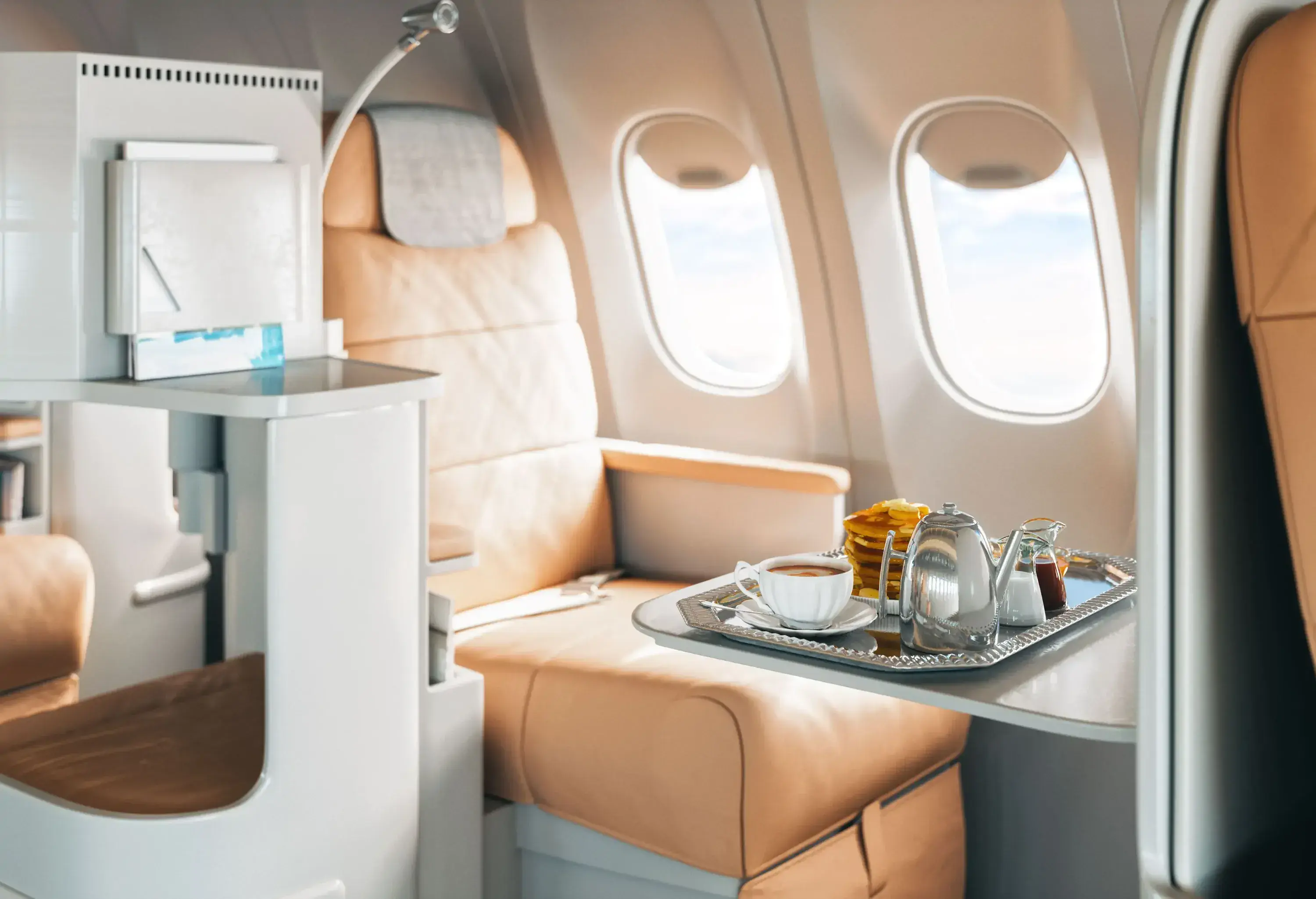
Take seats, for example. They’ll be larger and comfier than those in economy, but most domestic first class cabins don’t feature fancy suites or privacy doors. Meals, meanwhile, will be a step up from economy – but not the restaurant-in-the-sky vibe of international first class.
The perks of first class.
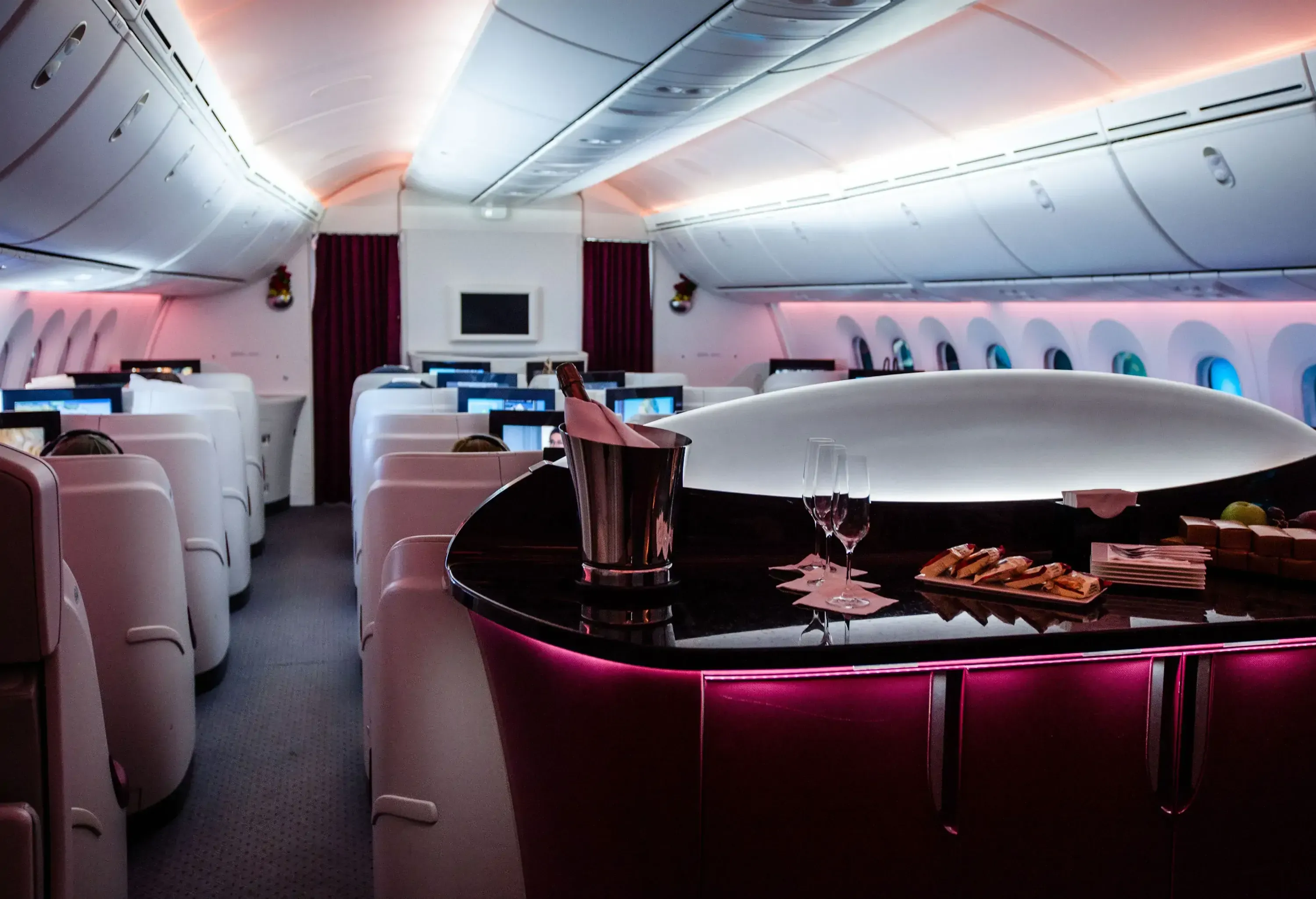
First class tickets come with plenty of perks, both onboard and off. Key benefits include:
Priority check-in, boarding, and security.
Special treatment starts at the airport, with dedicated lines for check-in and security. First class passengers also board the aircraft first – and exit first, too. This is especially helpful on international flights, as it can help minimize customs and immigration queues.
Lounge access.
First class tickets usually come with access to an airline’s lounge, which can dramatically elevate your time at the airport – especially helpful for long layovers. Another perk: First class passengers have priority over lounge guests with access via a credit card – a game-changer during peak times.
Lie-flat or extra-wide seats with high-tech extras.
No more cramming into a tight economy seat for hours. International first-class cabins even boast private suites and closing doors, plus high-tech extras like extra-large entertainment screens and noise-cancelling earphones.
Extra baggage allowances.
Say goodbye to stressing over how to pack your carry-on bag to avoid checked baggage fees – not to mention avoiding overhead bin battles. First class tickets come with generous baggage allowances: usually two checked bags for free, plus hand luggage.
Premium meals and drinks.
For long-haul international flights, passengers can expect multi-course meals with specially created food and drink options, plus snacks on demand. Many airlines have reimagined their first-class dining programs in recent years. Some, including Delta Air Lines and Air France, showcase menus curated by celebrity chefs, while others are known for high-end signatures – like caviar on Emirates.
| Cabin Class | Seat and space | Dining | Lounge Access | Price |
|---|---|---|---|---|
| First | Lie-flat or private suite, with high-tech extras | High-end dining and drink programs, some by celebrity chefs | Included | $$$$ |
| Business | Lie-flat seats | Premium meals | Usually included | $$$ |
| Economy | Standard seat with a few inches of recline | Basic or for purchase | Not included | $ |
When is first class worth it?
There are several occasions when first class is worth it. Below, a few notable ones:
- Long-haul international routes: When flight duration starts creeping into the double digits – 10, 11, or 12 hours, say – first class is a game changer for passing the time enjoyably.
- Overnight flights when sleep matters: If you’re traveling to Europe from the US, you’ll almost always be on a red-eye flight. Those lie-flat seats mean you’ll arrive much more refreshed for the start of your trip.
- Special occasions or milestone trips: There’s no better way to kick off a milestone birthday, anniversary, or bucket list trip than clinking a glass of Champagne in first class.
- Miles/points redemptions or upgrade certificates: If you can score an upgrade via miles, points, or other non-revenue option, it’s almost always worth it.
- Flights with long layovers: If there’s a long (and unavoidable) layover on your itinerary, first class can be worth it for lounge access – especially if it’s a high-end lounge with amenities like sleeping pods and showers.
When first class isn’t worth it.
Similarly, there are times when first class isn’t worth it:
- Short domestic routes: For short-hop flights, first class is rarely worth the price differential from economy class.
- Large price between first class vs. business class (or premium economy): Sometimes, first class marks a huge jump from another comparable cabin like business class or premium economy. In some cases, the lower-tier cabin can offer the best value.
- When traveling with a big group: First class may not be the best bet if you’re traveling with extended family or several children. You can still opt to sit together in economy for a fraction of the cost of flying together in first. Plus, depending on the airline and children’s ages, you might be able to board earlier – a similar first-class perk.
- When cost savings, not luxury, is the goal: We’d all love to have the funds to fly first class on every flight. But the reality is, many travelers have budget restrictions. (The upside: more to spend in your destination.)
How to evaluate value for first-class flights: A handy checklist.
When considering if first class is worth it, a handy checklist can help you evaluate the value – which is different for every trip and traveler. Here’s what to consider.
- How long is the flight? Long-haul routes will be more expensive, of course. But the benefits of first class – more space, better food, lie-flat seats – also have a bigger impact when flying time starts to creep into double digits.
- What’s the price difference? If you can score a first class ticket for just a few hundred bucks more than a lower cabin, that’s an excellent deal. (Pro tip: You can set a KAYAK Price Alert for business class tickets, too.)
- How important is your comfort, rest, or productivity? Of course, these factors will vary considerably among travelers. But they’re key considerations to make during the planning process.
- Do you have elite status? If so, you may score a free upgrade. In addition, perks that already come with your status, such as early boarding or extra baggage, may not make the splurge for a higher cabin worth it.
- Do you have a good redemption value? While it may be tempting to trade points for a cushy upgrade, not all redemptions are created equal. Do your homework to make sure you’re getting the best possible value beforehand.
Elevated alternatives to first class.
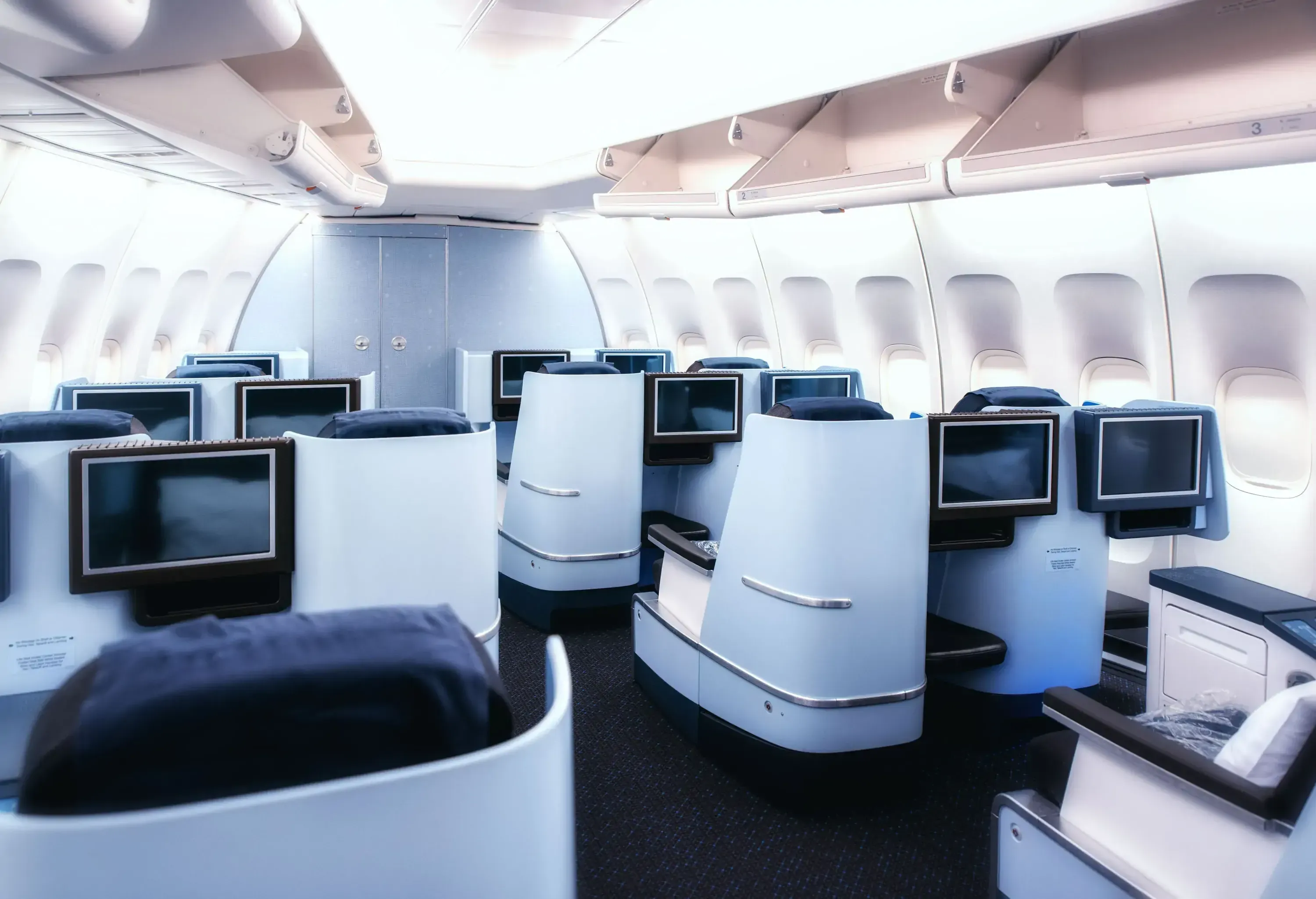
If first class isn’t within your budget, don’t fret: There are more options than ever to enjoy an elevated experience on your next flight without breaking the bank.
International business class.
On select long-haul routes, some airlines offer both first and business class. The latter offers a luxurious experience with many of the perks of first – think lie-flat seats and multicourse meals – for a lower price.
Premium economy.
Similarly, some carriers, such as Delta, offer a premium economy product, most often on long-haul international routes. These cabins come with better seats, food, and service than economy – but without the steep price tag of first class.
Using miles or points.
For some savvy travelers, the whole point of earning points is scoring a seat at the pointy end of the plane. There’s a big learning curve to points travel, including how to maximize and redeem points most effectively, but the payoff is significant.
Bidding for upgrades.
Several major airlines, including Air Canada, Lufthansa, and Etihad Airways, among others, allow passengers to bid for an upgrade either with points or cash. Programs and restrictions vary, but check to see if your carrier has such an offer. It’s a great option to elevate your flying experience with serious savings.
Flying premium cabins one-way (or only on long legs).
Since I live in the Netherlands and travel often to the US for work and to visit family and friends, this is a strategy I use often. On my last two transatlantic trips, I’ve traveled in economy on the way to the States, and on the red-eye return back to Europe, spent a bit extra to fly in premium economy.
FAQs.
Not usually. The short duration doesn’t really translate to good value, unless you find an especially sweet deal or score a free upgrade. Save your budget (or points) for a longer route.
Yes. For many travelers, using miles and points for premium cabin redemptions is the whole reason for using points-based credit cards and accumulating points.