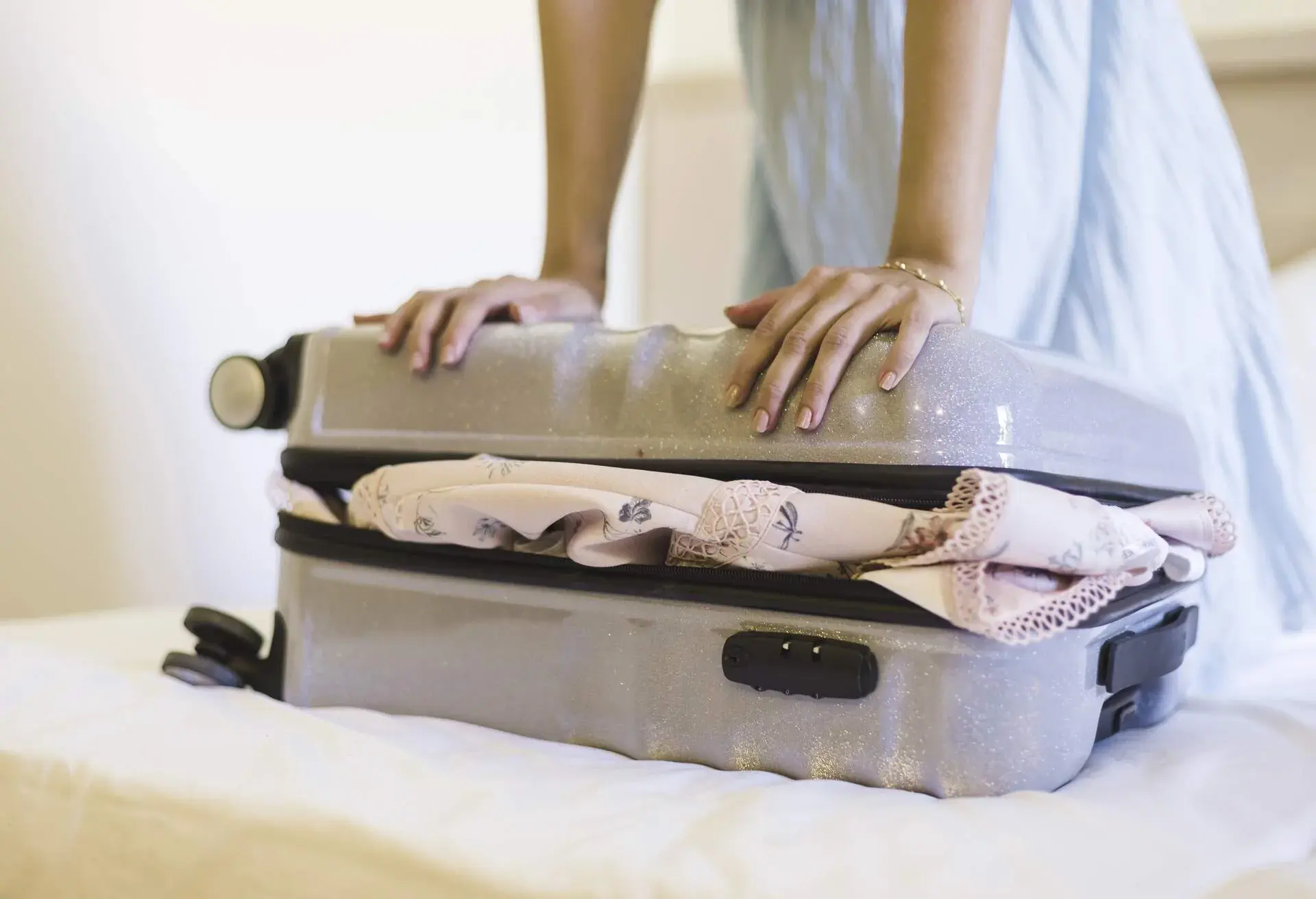


Packing a carry-on isn’t just about fitting everything into one bag. Airline size limits, liquid restrictions and baggage fees can all affect what you bring and how you pack it.
This guide covers what to pack in a carry-on, space-saving packing techniques and the essential items you should always keep with you when you fly.
In this article
- Carry-on packing checklist.
- What to pack in a carry-on bag.
- How to pack a carry-on efficiently.
- How to pack a carry-on for different trip lengths.
- Carry-on packing FAQs.
Carry-on packing checklist.
Before you zip up your bag, make sure you’ve packed these essentials.
Travel essentials
- Passport or ID
- Wallet and payment cards
- Travel documents
- Medications
Electronics and valuables
- Laptop or tablet
- Phone charger
- Charging cables
- Headphones or earbuds
- Camera
- Jewelry and other valuables
Clothing
- Versatile outfits
- Extra underwear and socks
- One spare outfit
- Weather-appropriate layers
In-flight comfort
- Water bottle
- Snacks
- Eye mask
- Travel pillow
- Sweater or light jacket
What to pack in a carry-on bag.
Regardless of the length of your trip or whether you’re checking a bag, there are some things you should always keep with you.
Travel documents, medications, electronics and valuables should never be packed in checked luggage. If your checked bag is delayed or lost, you’ll still have access to the items you need most.
If space allows, pack at least one complete change of clothes in your carry-on. It can be a lifesaver if your checked baggage doesn’t arrive with you
Build a capsule wardrobe.
One of the easiest ways to pack less is to build a capsule wardrobe.
Choose clothing in a single neutral color palette: black, navy, grey or tan, so every item works with every other item. Then add a few accessories to create different looks without adding bulk.
For trips longer than five days, quick-dry fabrics can be particularly useful because they can be washed and worn again during your trip.
Carry-on clothing formulas that actually work.
Packing formulas take the guesswork out of deciding what to bring.
The 5-4-3-2-1 method is a structured formula that covers most trip lengths by assigning a specific count to each clothing category: 5 tops, 4 bottoms, 3 pairs of shoes, 2 layers, and 1 set of accessories.
The 2-5-1 method is a more minimalist approach designed for shorter trips, built around 2 bottoms, 5 tops, and 1 outer layer.
| Formula | Best for |
|---|---|
| 5-4-3-2-1 method | Longer trips (7–10 days) |
| 2-5-1 method | Shorter trips (3–5 days) |
How to pack a carry-on efficiently.
No matter what type of carry-on you choose to bring with you, we have tips that will make the packing process a tad easier.
1. Choose a lightweight carry-on.
Some airlines weigh carry-on bags, so a lighter suitcase gives you more flexibility when packing. A lightweight bag is also easier to lift into the overhead bin and maneuver through the airport.
2. Check the weather before you pack.
Even if you’re heading somewhere known for sunshine or rain, check the forecast before you leave. Weather can change quickly, and packing for the conditions you’ll actually experience can help you avoid bringing unnecessary items.
And don’t forget the flight itself. Airplane cabins can be chilly, so pack layers even if you’re traveling to a warm destination.
3. Choose the right carry-on bag.
If your airline allows only one carry-on item, make sure you’re maximizing the allowance. Soft-sided bags can sometimes offer more flexibility than hard-shell luggage, particularly on airlines that use bag sizers.
If you travel frequently, investing in a bag designed to fit common airline carry-on dimensions can help you avoid baggage fees over time.
4. Save space in your carry-on.
A few simple packing techniques can create more room in your bag.
3 easy ways to save space
- Roll soft clothing instead of folding it.
- Fill shoes with socks, underwear or toiletries.
- Use packing cubes to compress and organize clothing.
Just remember that saving space doesn’t increase your airline’s weight allowance.
5. Pack liquids for an easier security check.
Most airports still follow liquid restrictions for carry-on baggage. The TSA’s 3-1-1 rule requires liquids, gels, aerosols, creams and pastes to be:
- In containers of 3.4 oz (100 ml) or less
- Stored in one clear quart-sized bag
- Limited to one bag per passenger
Keep your liquids together and easily accessible so you can move through security more quickly
6. Keep flight essentials together.
Store important items in a pouch or organizer inside your carry-on or personal item.
Good candidates include:
- Passport or ID
- Boarding pass
- Medications
- Headphones
- Chargers
- Snacks
Keeping these items together makes them easier to find at the airport and onboard
7. Create a packing list before you leave.
Many of the most commonly forgotten travel items are things we use every day.
Creating a packing list a few days before departure gives you time to add anything you might otherwise forget, especially chargers, medications and toiletries.
Use the same list when packing for the journey home.
How to pack a carry-on for different trip lengths.
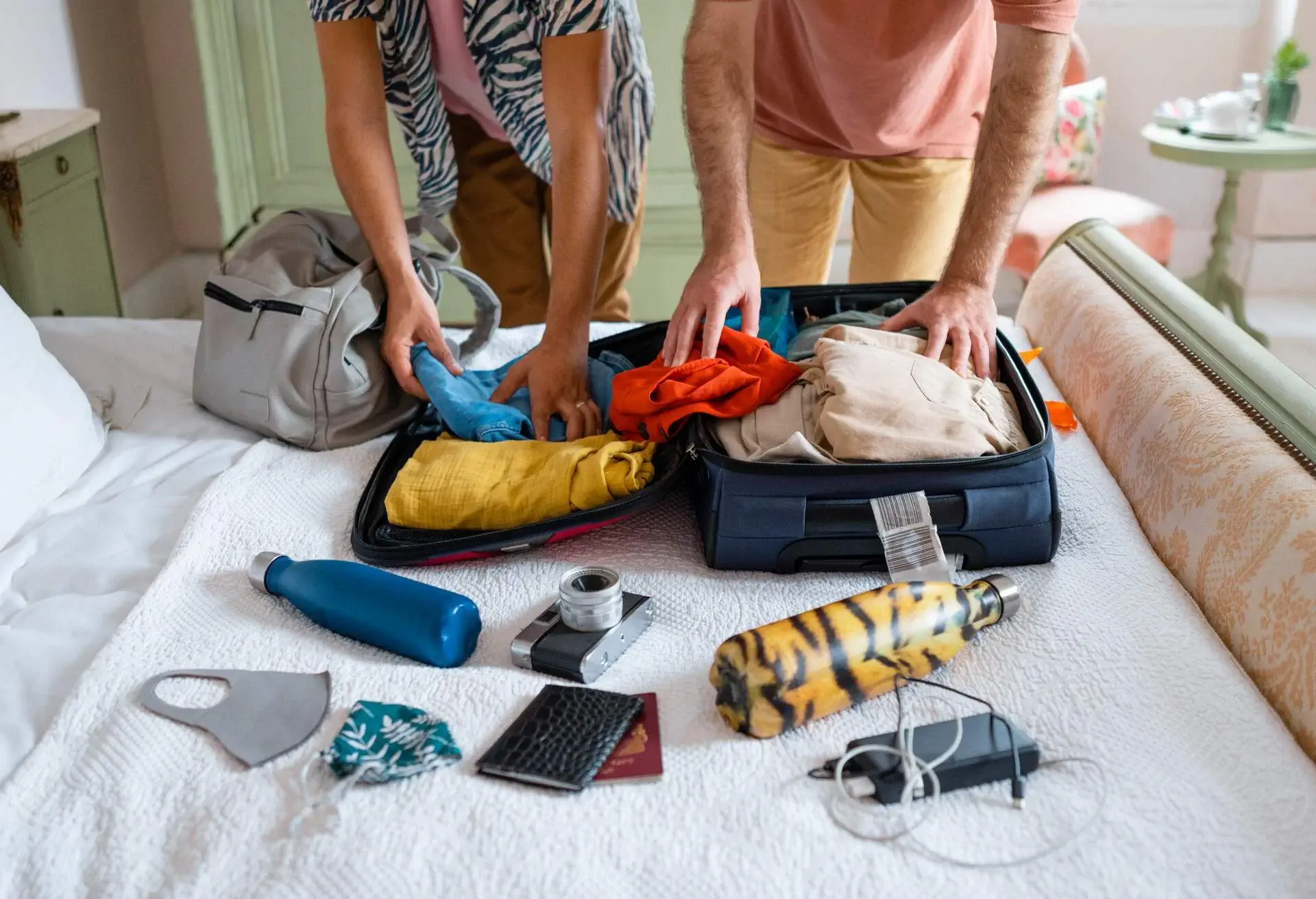
3-5 day trips
Most standard carry-ons can comfortably hold enough clothing for a long weekend or short getaway. Focus on versatile outfits and limit yourself to one or two pairs of shoes.
One week
Some say a carry-on should be able to hold up to ten days’ worth of travel, but even a week can be tricky for those who love a showier style. It’s still doable, though.
Plan outfits with simple pieces that you can reuse to create new looks and focus on accessories that can change frequently without taking up much valuable packing space. This is definitely a time for packing cubes.
For trips pushing past seven days, mid-trip laundry is the real secret to carry-on-only travel. Pack a few travel detergent packets or a small soap bar, choose quick-dry fabrics that can be sink-washed overnight and plan around hotel laundry services or a local laundromat for anything heavier.
Two weeks or longer
Two weeks in a carry-on is absolutely doable with the right strategy. Start with the 5-4-3-2-1 formula as your clothing foundation, then plan for at least one mid-trip laundry session.
Pack travel detergent packets and choose quick-dry fabrics that can be sink-washed overnight. A local laundromat or hotel laundry service can handle anything heavier and free up space for anything you pick up along the way.
Carry-on packing FAQs.
Some carry-on bags come with a built-in garment bag for suits, but it’s not entirely necessary. Make as few folds as possible and avoid compressing the fabric. Place the suit on top of your other clothing and give it room to breathe.
The most commonly forgotten items tend to be the everyday essentials you use right up until you leave the house. Before you zip up, double-check for:
- Phone and laptop charger
- Travel adapter
- Medications
- TSA-compliant quart bag for liquids
- Travel documents
- Earbuds
Rolling is better for soft items like t-shirts and underwear; flat-fold structured items like blazers and jeans to prevent creasing. Rolling soft items into compact cylinders (the Ranger Roll technique) saves space and reduces wrinkles, while folding structured pieces keeps them looking sharp on arrival.
Before you go.
It’s time to start planning! Following above tips will take the stress out of packing a carry-on, from choosing the right airline to prepping your bag.
Now that you’re confident in your carry-on abilities, take a look at some of this year’s travel trends, and start planning your next getaway. Here’s a pro tip to get you started: consider the slower travel months for reduced rates and minimized crowds!