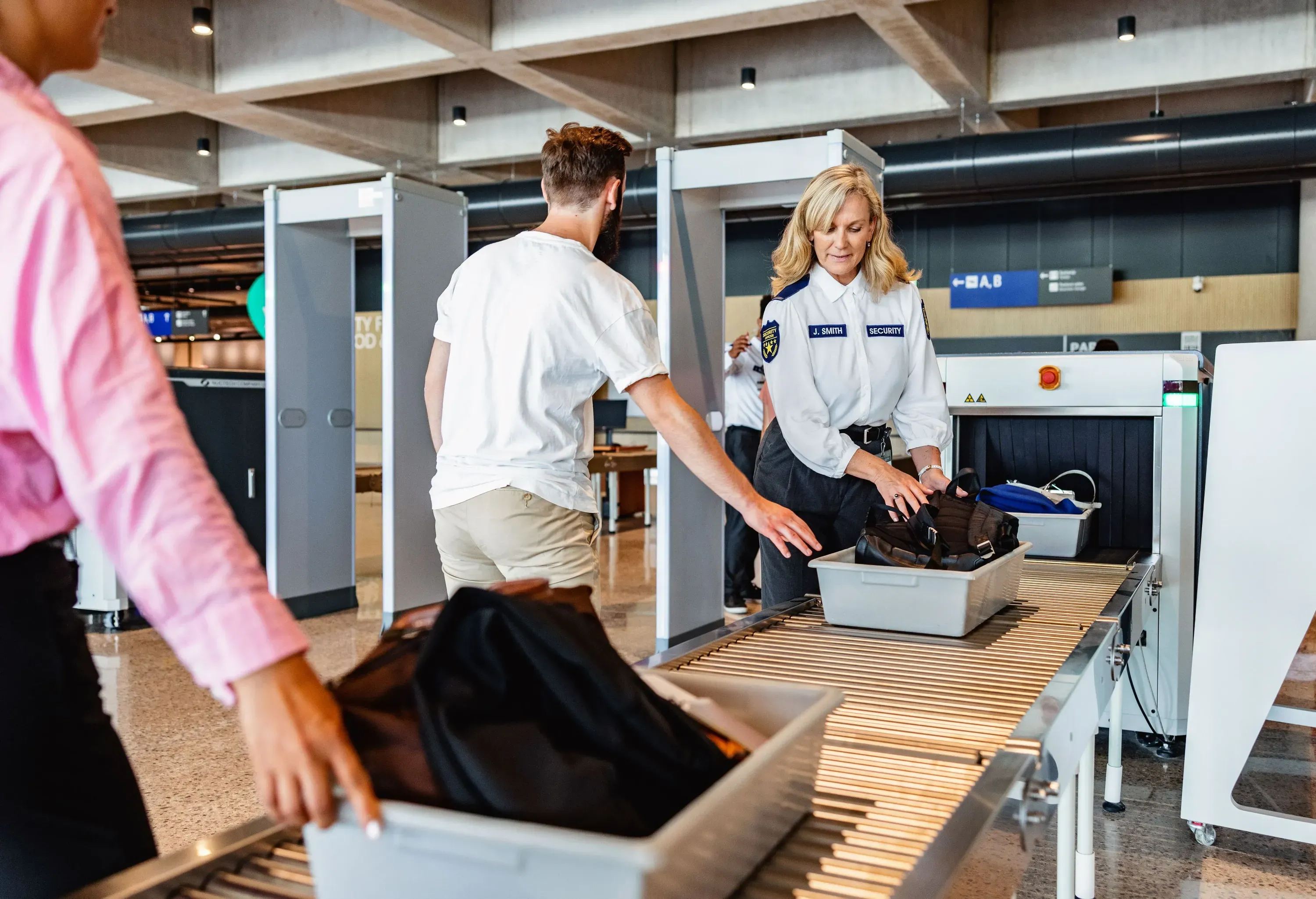

Flying from a U.S. airport? You can bring a water bottle on a plane, but it generally needs to be empty when you reach the TSA checkpoint. A full bottle typically contains more liquid than security allows under the TSA’s 3-1-1 rule. Empty it, carry it through and refill it on the other side.
In this article
- Why can’t you bring a full water bottle through security?
- Two water hacks that claim to beat the liquid rules.
- What about the new airport scanners?
- Water bottles on international flights.
- Quick tips for staying hydrated in the air.
- FAQs.
Why can’t you bring a full water bottle through security?
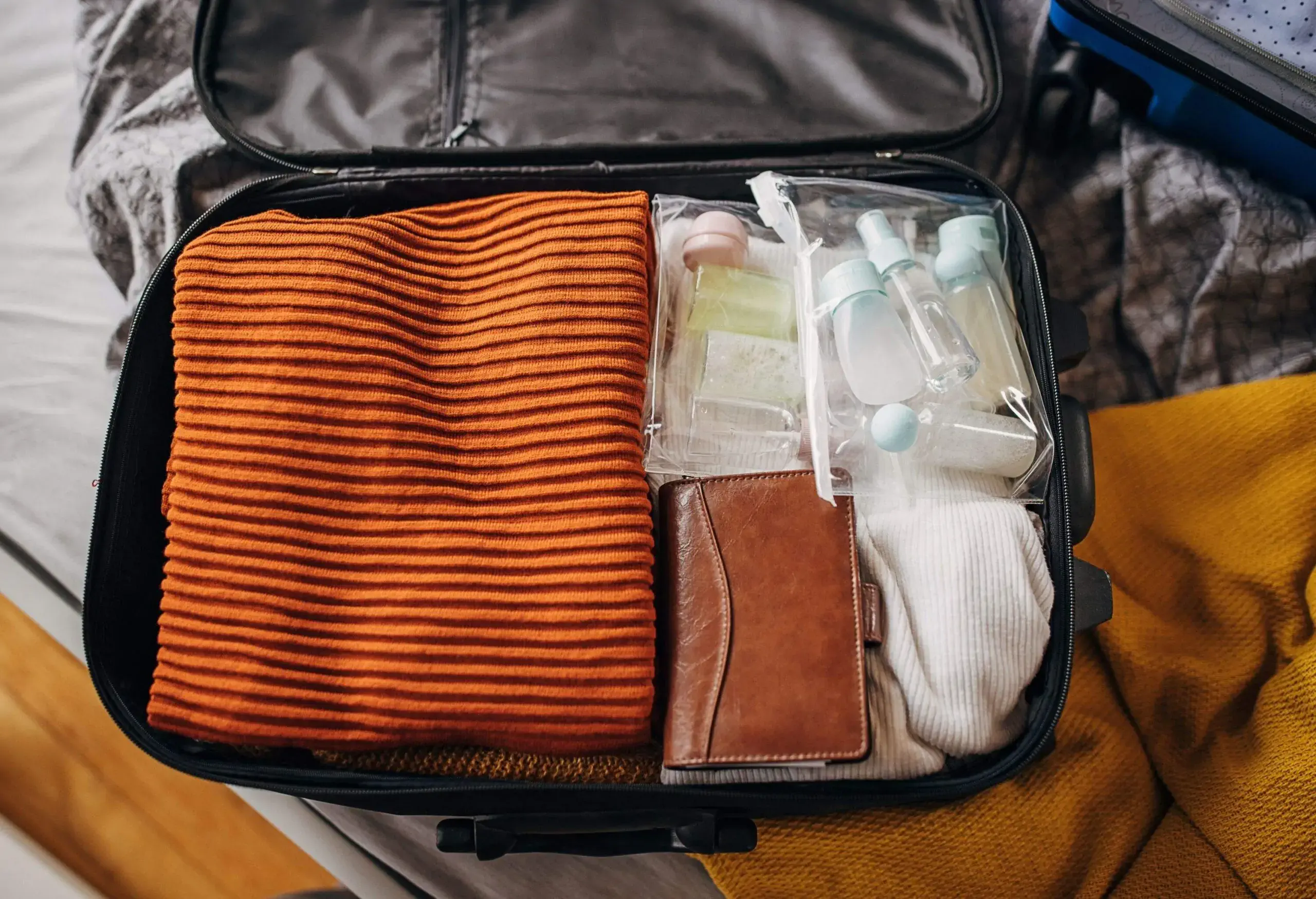
The TSA’s 3-1-1 rule limits liquids in carry-on bags to containers of 3.4 oz (100 ml) or less. They must fit in one clear, quart-sized zip-top bag, with one bag allowed per traveler.
Since a full water bottle typically contains more than that limit, you’ll need to empty it before going through security. The same rule applies to other liquids over 3.4 oz, including juice, soda and coffee.
The rule applies to the amount of liquid and the size of its container, not the bottle material. Bring an empty reusable bottle through security, then fill it once you’re past the checkpoint. Metal, plastic or insulated, the type doesn’t matter as long as it’s empty when screened.
Some airports have free water refill stations near the gates, so you can fill up before boarding.
Staying hydrated can be especially important when flying. Cabin humidity typically ranges from 10% to 20% at cruise altitude, which can make the air feel particularly dry, according to this National Academies report.
Two water hacks that claim to beat the liquid rules.
The internet is full of tricks travelers swear will get liquids past the checkpoint. Some are clever, some are questionable and others are more trouble than they’re worth. Our KAYAK Content Creator, Marita, went down the rabbit hole and tried two, so you don’t have to gamble with your own carry-on.
The frozen-water trick: It works.
Ice and other frozen liquids can go through the checkpoint when they’re completely frozen. If they’re partially melted, slushy or have liquid at the bottom, the usual 3-1-1 liquid limits apply. TSA’s guidance on ice has the details.
The frozen bottle isn’t really a loophole. It’s the rule working in your favor. Marita put the trick to the test at Copenhagen Airport (CPH):

Verdict: 9 out of 10. Freeze it solid and keep it frozen until screening.
A whole coconut: It worked for us.
Then there’s the less conventional option: a whole coconut. Marita took one through airport security with the coconut, and its water, intact.
Verdict: 5 out of 10. Points for creativity, points off for the logistics.
What about the new airport scanners?
You might have spotted new CT scanners at some U.S. airport security checkpoints. They give security a more detailed view of what’s inside your bag and can make screening easier, but they don’t mean TSA’s liquid limits have disappeared.
Even at checkpoints with newer scanners, the 3-1-1 rule generally still applies. So unless your airport says otherwise, plan to empty your water bottle before security and refill it afterward.
Outside the U.S., newer screening technology has led some airports to change their liquid rules.
Water bottles on international flights.
Outside the U.S., liquid rules vary. Some international airports allow more than 100 ml of liquid through security, while others still enforce the 100 ml limit. Rules can even vary by terminal, so check your departure airport’s current guidance before packing a full bottle.
And yes, we’ve put this one to the test too.
Quick tips for staying hydrated in the air.
- Pack it empty and insulated: An insulated bottle keeps water cold from gate to landing.
- Fill up before you board: Top off at a refill station so you’re not waiting for the cart.
- Keep it handy: Store your bottle within reach so it’s easy to drink throughout the flight.
- Refill when you can: On longer trips, top up during connections or before your next flight.
FAQs.
Yes, you can carry a filled water bottle onto a plane once you’re past the TSA checkpoint. The 3-1-1 liquid limit applies at screening, so any water you add airside can come aboard with you. Most airports have free refill stations near the gates to make it easy.
A full water bottle isn’t allowed through security because it exceeds TSA’s 3-1-1 limit of 3.4 oz (100 ml) per container in carry-on bags. The restriction targets the volume of liquid and the container size, not the bottle material, which is why an empty one passes. You can drink or empty a full bottle before screening, then refill it after.
Yes. Insulated water bottles are allowed on a plane as long as they’re empty at the TSA checkpoint. The material doesn’t matter. What matters is how much liquid is inside and the container’s capacity. Once you’re through security, refill your bottle and take it on board.
Yes. The TSA’s 3-1-1 rule doesn’t apply to checked bags, so you can pack a full water bottle in your checked luggage. Make sure it’s tightly sealed and packed securely to help prevent leaks.
Still have questions?
You’ve got the rule, the frozen-water workaround and a hydration plan, so packing that bottle just got a lot simpler. For more on what makes it into your bag, browse our carry-on luggage size guide, how to pack a carry-on guide and baggage guide for more on how many ounces you can take on a plane.