
Airlines are charging more and more to pick your seat – and those fees can run anywhere from a few bucks to a few hundred, depending on the airline, route and fare.
Wondering if your airline charges for seat selection, how much it costs and whether it’s actually worth it? This guide breaks it all down by airline and region.
Below, you’ll find seat selection policies for major U.S. and international airlines, plus practical tips on when paying makes sense – and how to skip the fee altogether.
In this post:
- Seat selection fees broken down by airline and region.
- What are seat selection fees?
- Why do airlines charge seat selection fees?
- Is it worth paying for a seat on a plane?
- How to avoid seat selection fees – or at least minimize them.
- Airline seat selection fee FAQs.
Seat selection fees broken down by airline and region.
Airlines don’t use fixed prices for seat selection, which makes those fees frustratingly hard to track. Instead, prices change based on the route, travel dates, base fare and demand.
The table below shows when seat selection is included, optional, or paid — so you know when you’re likely to pay extra.
U.S. airline seat selection fees.
Fees vary by route, fare type and demand. Below is how major U.S. airlines handle seat selection in economy.
| Airline | Is seat selection included? | When you’ll need to pay? |
|---|---|---|
| American Airlines | Included on Main Cabin fares | Paid on Basic Economy if you want to choose your seat in advance |
| Delta Air Lines | Included on most fares | Not included on Basic Economy; seat assigned at check-in |
| JetBlue Airways | Included on standard fares | Not included on Blue Basic; seat assigned at check-in |
| Southwest Airlines | No seat selection at all | Seats are open; boarding position determines where you sit* |
| United Airlines | Included on most fares | Paid on Basic Economy if selecting a seat in advance |
*From 27 January 2026, seat selection will be free only for Choice fares. Basic fares will have back-of-the-cabin seats allocated at check-in, with the option to pay for an upgrade.
International airline seat selection fees.
Outside the U.S., paid seat selection is far more common, especially on basic and light fares.
| Airline | Is seat selection included? | When you’ll need to pay |
|---|---|---|
| British Airways | Free at check-in on most fares | Paid on Basic fares (no free seat selection) |
| easyJet | Not included | Paid for all seat selection; free random seat if you skip |
| Emirates | Standard seats included on higher fares | Paid on Economy Special & Saver; preferred seats cost extra on higher fares |
| Lufthansa | Route-dependent; Standard seats included on some routes | Paid on most long-haul routes and preferred seats |
| Ryanair | Not included | Paid for all seat selection; free random seat if you skip |
What are seat selection fees?
When you search for an economy fare, the price you’ll see advertised is usually for the bare bones ticket. Once you’ve chosen your flight, most airlines now prompt you to select a seat as part of the booking process – and pay for the privilege. This might be for the seat alone or as part of an upgrade bundle that includes other so-called perks.
No airlines force you to select and pay for a seat. But their booking processes often make it confusing enough to think you have to. This is part of a wider ecosystem of ancillary fees in most airline booking processes, known as “drip pricing”. It includes having to pay for things like carry-on and checked baggage, priority boarding, fare upgrades and even airport check-in.
Why do airlines charge seat selection fees?
Airlines charge for seat selection because it’s a way to monetize comfort and convenience. And while prices vary greatly and change dynamically depending on uptake, there is a logic behind them.
Full-service airlines like Delta, United and American often allocate standard economy seats as part of the base fare, then charge for upgrades. Many also now offer a budget fare without seat selection.
Seats are priced by cabin zones to match different traveler priorities – business travelers up front for a fast exit, more price-sensitive vacationers toward the back and everything in between.
Low-cost carriers like Frontier unbundle every component of the flying experience, meaning seat allocation isn’t included in the base fare. If you don’t want to pay for a specific seat, you’ll get one allocated free of charge. But if you want to avoid or select certain seats, you’ll need to pay to guarantee it.
Across the board, the most desirable economy seats now come at a premium. Front-of-cabin seats cost more, but extra legroom is the biggest draw – especially bulkhead, exit row and front-row seats.
Is it worth paying for a seat on a plane?
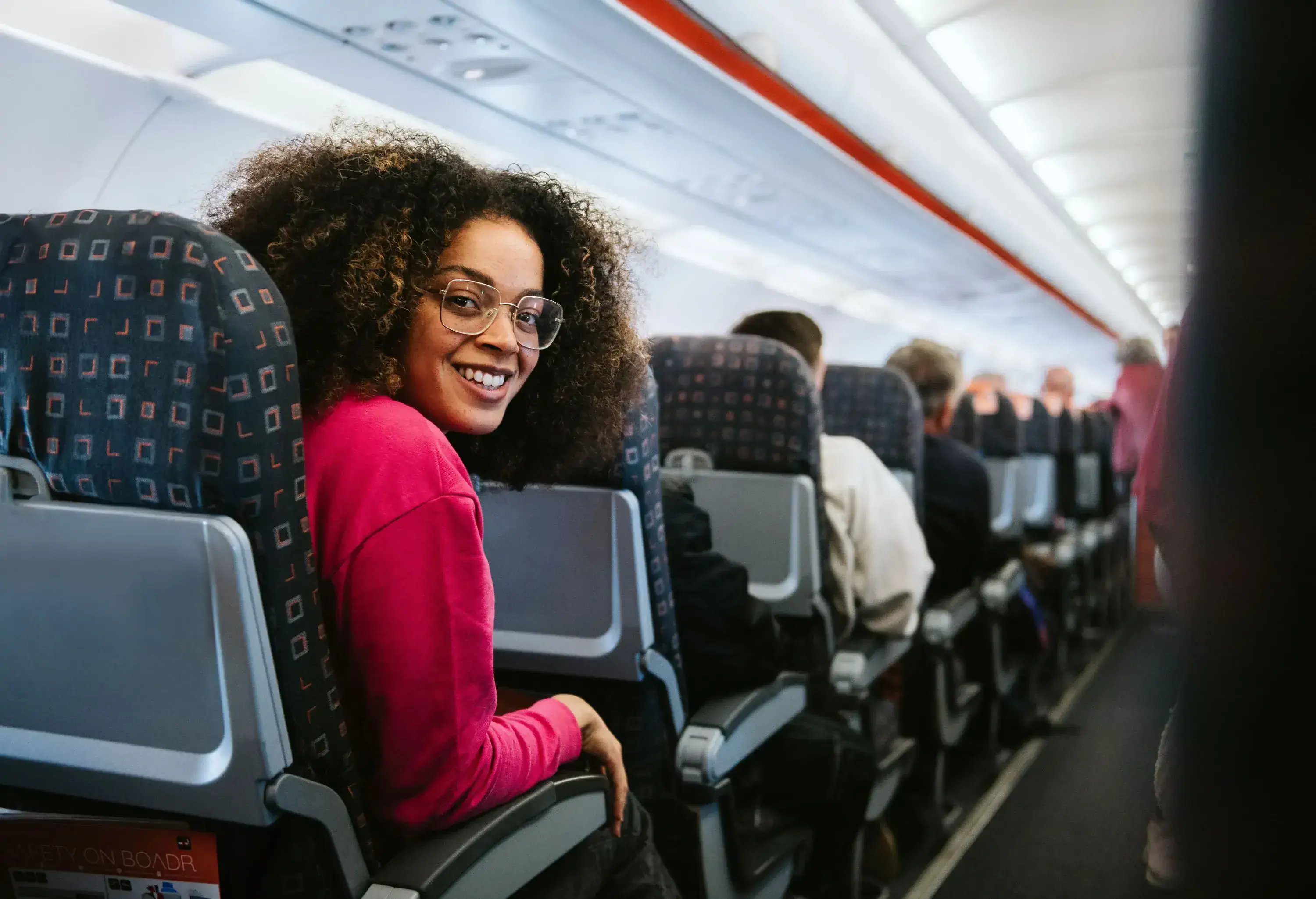
That depends on a variety of factors that determine what value you get for your money.
It can be worth paying for:
- Long haul and overnight flights: The longer the flight, the more important comfort becomes. If you want to settle in and sleep, pay to avoid middle seats and cramped rows.
- Groups: The only way to guarantee you’ll sit with friends or family on many airlines is to pay.
- Quick deboarding: When time is an issue – say for a tight connection or to avoid long immigration lines – pay for a front-of-plane seat.
- Personal preference: If like me you’re too tall to get comfy in a standard economy seat, pay for an upgrade on flights longer than two hours.
It may not be worth paying for:
- Short haul flights: On flights around two hours or less, the comfort difference between paid and allocated seats is minimal.
- Budget travel: On flights where cost is more important than comfort.
- Flying solo: If you don’t care where you sit or who it’s next to.
- Off-peak travel: Quieter times and routes often mean free seats on the plane, so you may be able to choose where to sit without paying.
How to avoid seat selection fees – or at least minimize them.
A few practical, tactical seat selection hacks to help you reduce seat selection fees, or avoid them altogether.
- Skip seat selection: Not selecting a seat doesn’t mean you won’t get one. If you’re relaxed either way, check in early and hope you get a good one.
- Book an airline with lower fees: Some airlines charge a lot less for seats than others, even on similar planes and routes. In the U.S., Alaska, Hawaiian, JetBlue and United are among the cheapest.
- Use membership status or credit card perks: Some airlines waive seat fees for elite status members.
- Book only adult seats: Flying with kids? Pay only for the adult seats – most airlines will sit children with a parent without the need to book their seats.
Airline seat selection fee FAQs.
That depends on several factors I’ve covered in this article, from who you’re flying with, for how long and what your personal preferences are. If you don’t select a seat, you’ll be allocated one when checking in.
Different seats come with different fees, so you know what you’re paying for. The more you pay, the better the seat – more legroom, nicer cabin, quicker deboarding, etc.
Yes, many loyalty schemes and affiliated credit cards offer seat selection as a perk. These often only extend to standard seats though, so you’ll likely need to pay for upgrades like extra legroom.
Yes – just like airfares, seat selection fees are dynamic and will change according to demand and proximity to departure date, among other factors.