Introduction
What to do
Where to eat
When to visit
How to get there
Where to stay
Renting a car
Local costs


There are so many great reasons to visit Amsterdam and it really is a city with something for everyone. The capital of the Netherlands may be compact in comparison with other major European cities, but it packs a lot into a relatively small space.
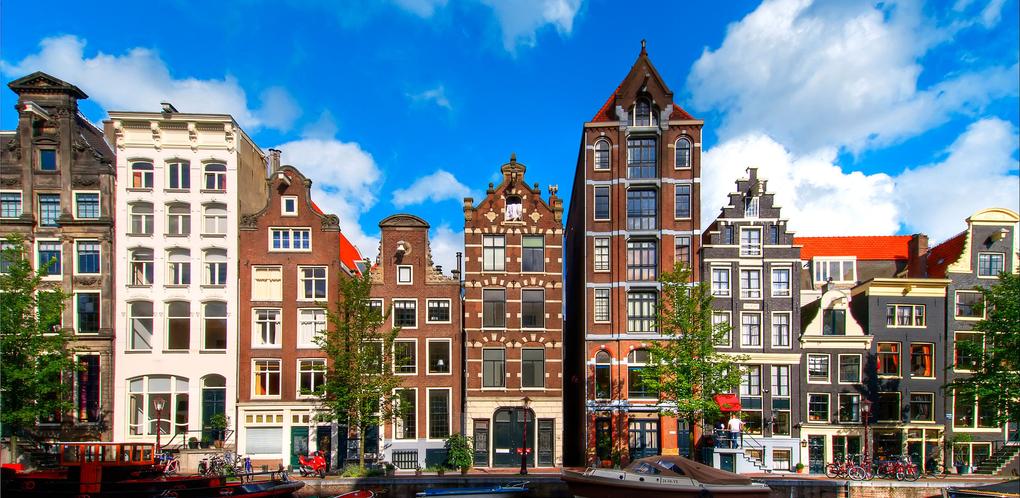
The Old Center and the Canal Ring are a must for history lovers, as are the world-class museums and galleries. Music fans flock to the city for its clubs and nightlife while its unique coffee shop culture is known all over the world.
If cafes, coffee shops, and bars are of limited appeal, the city also boasts spacious parks, like Vondelpark in the center of the city, and Ooosterpark close to the Eastern Docklands. Amsterdam is popular with shoppers and fashion fans as well as with visitors who come for historic attractions like Anne Frank's House and the scenic canals.
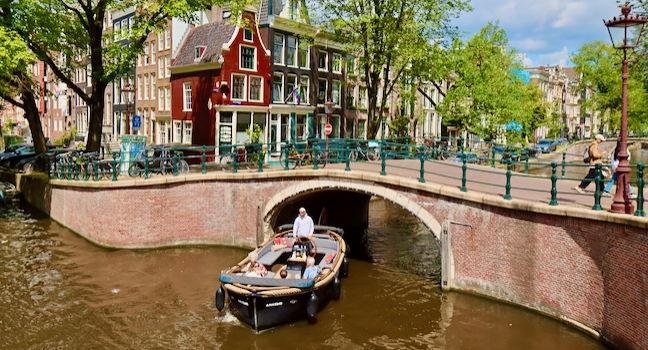
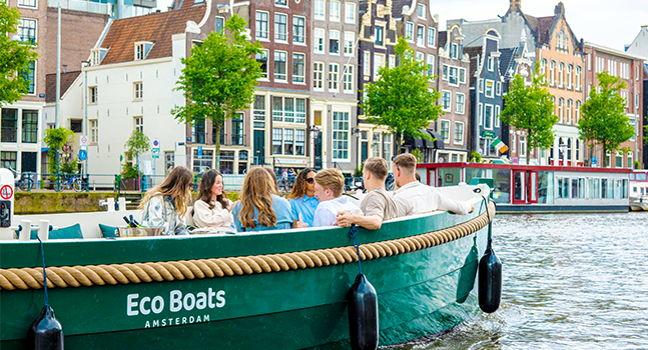
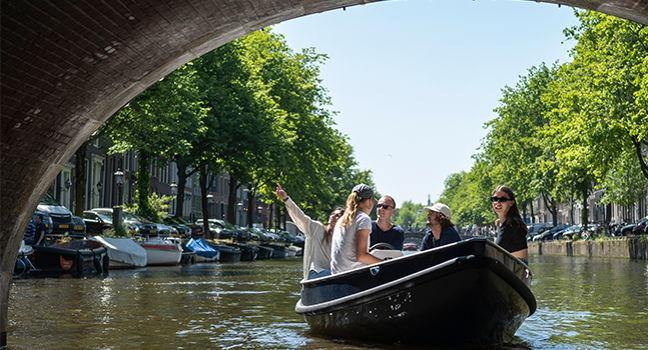
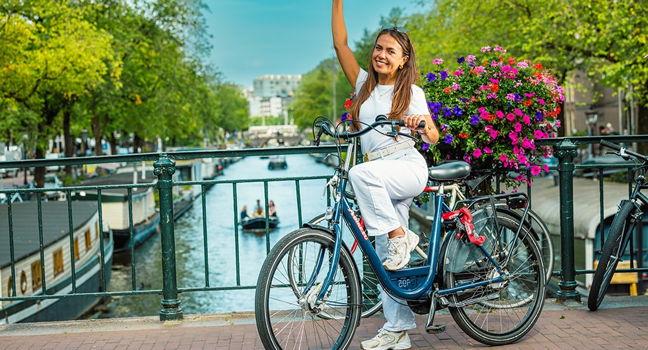
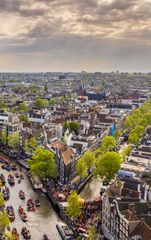
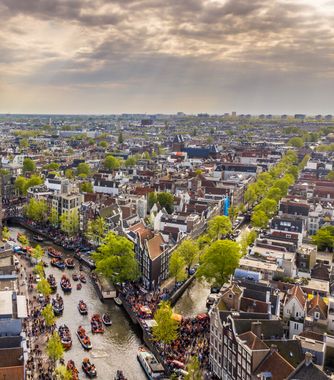
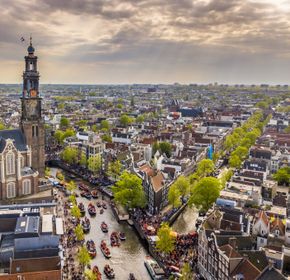
The city center is spectacular and Amsterdam's famous canals often earn the city the nickname the "Venice of the North". The waterways cover the Old Centre and the 17th century Canal Ring district is a UNESCO World Heritage Site. You'll also find the famous Red Light District here.
The city's most famous music venues like Paradiso and Melkweg play host to new talent and top international acts. Tourists flock to the glitzy clubs that line Rembrandtplein and Leidseplein but locals head to hidden gems like Claire (Rembrandtplein, 17) or Club Up (Korte Leidsedwarsstraat 26-1).
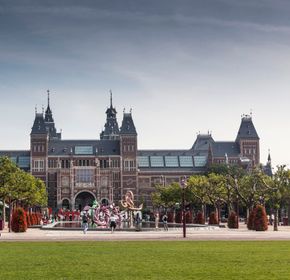
It's impossible to do justice to the enormous Rijksmuseum in one visit. The museum is home to important works of art from the Dutch "Golden Age" including Vermeer's "Milkmaid" and "Night Watch" by Rembrandt as well as an extensive collection of Asian art.
The city has been a prominent international diamond center since the 16th century. Jewelry lovers can admire the dazzling precious stones during free guided tours of leading diamond houses like Coster Diamonds or Gassan Diamonds.
The home of Anne Frank during World War II and where she hid with her family and neighbors from the Nazis in a secret annex behind a bookcase. The Prinsengracht house is one of city's three most visited museums along with the Rijksmuseum and Van Gogh Museum.
Museum Square is Amsterdam's art hub and a beautiful urban park to boot. The National Museum is the highlight, a striking building that feeds pedestrians and cyclists onto the green square through iconic underpass tunnels. Inside, visitors marvel at Rembrandts and Vermeers. Nearby, the Van Gogh and Stedelijk Museums hold the city's modern and contemporary masterpieces.
Anne Frank's wartime diary has been read around the world, and today visitors are welcomed into the home of the book's setting. The secret annex where the Frank family hid from Nazi persecution during World War Two is a commemorative and educational museum, restricted yet moving. The reality of those terrifying years becomes unavoidable with a walk through this cramped space, bringing the diary to life.
Dam Square is the heart of Amsterdam's historical center. Built atop the original "dam" after which the capital takes its name, this city square is the most well known in the country. The 17th-century Royal Palace towers over jostling pedestrians, and the National World War Two Memorial stands at its center. All of this is surrounded by unique vendors, Dutch cafés, and street performers.
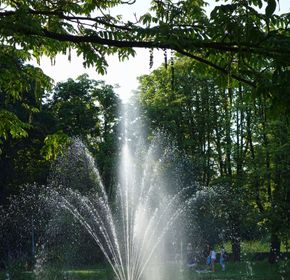
Amsterdam's crowning green space stretches for 120 acres through the south of the city. Endless opportunities abound for relaxation, musical performances, cycling and eating - all favorite Dutch pastimes. World class gardens and beautiful water elements divide the urban space with maximum efficiency, and when the sun shines everyone flocks to their favorite corner of Vondel Park.
On the doorstep of Amsterdam's charming Jordaan neighborhood towers the incomparable Westerkerk, the largest church in the city. The 17th-century clock tower is painted in an iconic red and blue, framed in all directions by quaint cobbled streets and canals. The interior is just as grand as the outside and houses the grave of Rembrandt, the Netherlands' greatest artistic master.
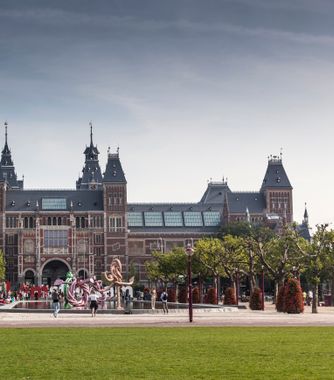
Museum Square is Amsterdam's art hub and a beautiful urban park to boot. The National Museum is the highlight, a striking building that feeds pedestrians and cyclists onto the green square through iconic underpass tunnels. Inside, visitors marvel at Rembrandts and Vermeers. Nearby, the Van Gogh and Stedelijk Museums hold the city's modern and contemporary masterpieces.
Anne Frank's wartime diary has been read around the world, and today visitors are welcomed into the home of the book's setting. The secret annex where the Frank family hid from Nazi persecution during World War Two is a commemorative and educational museum, restricted yet moving. The reality of those terrifying years becomes unavoidable with a walk through this cramped space, bringing the diary to life.
Dam Square is the heart of Amsterdam's historical center. Built atop the original "dam" after which the capital takes its name, this city square is the most well known in the country. The 17th-century Royal Palace towers over jostling pedestrians, and the National World War Two Memorial stands at its center. All of this is surrounded by unique vendors, Dutch cafés, and street performers.
Amsterdam's crowning green space stretches for 120 acres through the south of the city. Endless opportunities abound for relaxation, musical performances, cycling and eating - all favorite Dutch pastimes. World class gardens and beautiful water elements divide the urban space with maximum efficiency, and when the sun shines everyone flocks to their favorite corner of Vondel Park.
On the doorstep of Amsterdam's charming Jordaan neighborhood towers the incomparable Westerkerk, the largest church in the city. The 17th-century clock tower is painted in an iconic red and blue, framed in all directions by quaint cobbled streets and canals. The interior is just as grand as the outside and houses the grave of Rembrandt, the Netherlands' greatest artistic master.
Museum Square is Amsterdam's art hub and a beautiful urban park to boot. The National Museum is the highlight, a striking building that feeds pedestrians and cyclists onto the green square through iconic underpass tunnels. Inside, visitors marvel at Rembrandts and Vermeers. Nearby, the Van Gogh and Stedelijk Museums hold the city's modern and contemporary masterpieces.
Anne Frank's wartime diary has been read around the world, and today visitors are welcomed into the home of the book's setting. The secret annex where the Frank family hid from Nazi persecution during World War Two is a commemorative and educational museum, restricted yet moving. The reality of those terrifying years becomes unavoidable with a walk through this cramped space, bringing the diary to life.
Dam Square is the heart of Amsterdam's historical center. Built atop the original "dam" after which the capital takes its name, this city square is the most well known in the country. The 17th-century Royal Palace towers over jostling pedestrians, and the National World War Two Memorial stands at its center. All of this is surrounded by unique vendors, Dutch cafés, and street performers.
Try Dutch favorites like Ossenwoorst, a spiced raw beef sausage at the city's famous markets or fill up with a herring sandwich or 'broodje haring' from a street stall. You will also find many Asian and Suriname restaurants in Amsterdam. The biggest concentration of Asian restaurants can be found along the Zeedijk in Nieuwmarkt while those wishing to sample Suriname cuisine can find some of the best restaurants at Albert Cuypstraat.
Amsterdam can become extremely busy during the summer season from May to September, but it's the ideal time to enjoy cycling along the canals or outdoor events in the parks. You can expect long queues for major attractions like Anne Frank House and the Van Gogh Museum, but there are often fast track deals available in hotels and tourist information centers or when you buy tickets online. Many people visit from April to May or September to October when it's less busy. The weather is still mild, and accommodation and flights are cheaper. Low airfares from November to February also make Amsterdam a great choice for Christmas shopping trips or New Year festivities.

Schiphol Airport (AMS) is just over 9 miles to the south-west of Amsterdam. It serves over 55 million passengers per year and is a hub for several airlines including Dutch national carrier, KLM. It's easy to reach the city from the airport - travelers can take the NS Dutch Railways train service from the lower level or the 197 Airport Express Service to a number of central stops. Taxis are also available and a 25 to 40-minute trip should cost approximately 40 to 50 euros.
Many people travel to Amsterdam by train, and there are good links with almost every other part of Europe, including the UK via the Channel Tunnel. Thalys high-speed trains from Paris, Brussels, or Antwerp; and ICE International trains from major German cities arrive at Centraal Station. The station is located close to the Old Centre and IJ Waterfront.
Buses are a cheap alternative to trains and air travel. Several carriers operate routes to Amsterdam including UK company Megabus which has daily services from London and Paris. Eurolines and IDbus service also offer buses from major European cities. The buses terminate at various points like Zeeburg Park and Ride Coach Station or Sloterdijk Station and, from there, trams or buses can be taken to most areas of the city.
There is accommodation to suit every budget in Amsterdam, from family bed & breakfasts, hostels, boutique hotels, or luxury 5-star hotels. Choose central areas like the Old Center and Jordaan or explore cheaper options in the Red Light District or further afield.
Old Center - Many of the city's hotels and hostels can be found in the streets south of Centraal Station. Prices vary, and you will pay between 40 to 50 euros per night for a twin room in a budget hotel or 80 euros in a mid-range hotel. A room in a luxury hotel will set you back upwards of 150 euros.
Jordaan - this trendy area is home to many of the city's boutique hotels and smaller establishments that offer a more personalized service. Although more expensive than budget hotels, prices tend to fall in the mid-range bracket, so the area is still affordable to most visitors.
The Red Light District - the Walletjes area is the most famous of the city's red light district, and cheap accommodation can be found in the streets between Centraal Station and Nieuwmarkt. The area attracts thousands of backpackers and students who want clean, cheap accommodation. A room in a hostel costs 15 euros per night.
South - situated to the south of the Canal Ring and Old Centre, South includes the Museum District and Vondelpark and it's where you'll find most of the city's cheaper accommodation.
The city has an excellent public transport system that includes a small but effective metro system, buses, and trams. In order to travel, passengers require a contactless card called an OV-chipkaart. The card can be obtained from GVB vending machines which can be found at most metro stations or from Centraal Station.
New regulations for taxis in Amsterdam came into effect in 2013, so tourists are less likely to find themselves paying exorbitant fares. Expect to pay between 5 to 12 euro depending on the length of the journey.
Car hire is available at locations in the city and Schipol Airport. It's worth considering if you are visiting the city on business and don't want to be constrained by timetables, or if you wish to take day trips to other parts of the Netherlands. However, it isn't a great way to get around the historic center of the city where streets can be narrow and crowded.
Shop for everyday fashion and clothing in streets like Nieuwendijk, Kalverstraat, Heiligeweg, and Leidsestraat or designer goods in PC Hoofstraat, the city's only truly upmarket street. Ethnic wares can be found on Javastraat or look for quirky boutiques and stores in Jordaan or Ferdinand Bolstraat and Sarphatipark in De Pijp.
Buy basic groceries at a local Albert Heijn stores - the biggest supermarket chain in the Netherlands stocks everything from food to clothing and baby, pet, and beauty products. Alternatively, visit the massive Albert Cuyp Market or the Dappermarkt in Jordaan for Dutch cheese, beer, and other specialties.